This Tech Tip, one of a number we publish for the engine community, discusses the importance of proper maintenance of your Deutz or Perkins turbocharger.
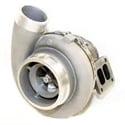 Turbochargers are an important component in industrial engines, especially smaller Deutz engines. They are engineered to add power throughout the engine operating range without changing the size of the engine package. More power in the same package is always good.
Keeping the turbocharger and associated systems well maintained has a big impact on overall engine efficiency and will save you money.
When installing a new turbo it is important to use a quality turbo installation kit. Depending on the particular turbo/engine these kits include things like new studs, bolts, the correct gaskets and seals, replacement stand pipe/nipple and a syringe to help pre-lubricate the turbo (a critical step).
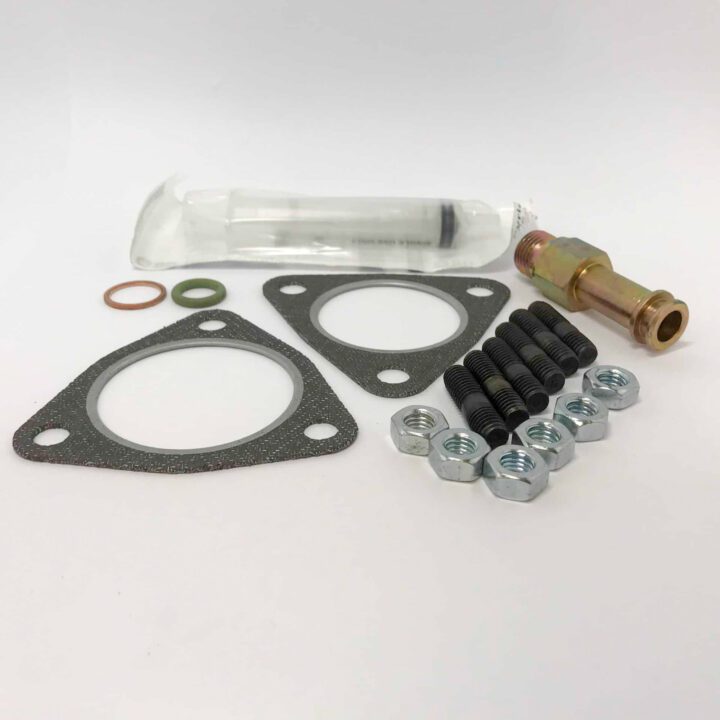
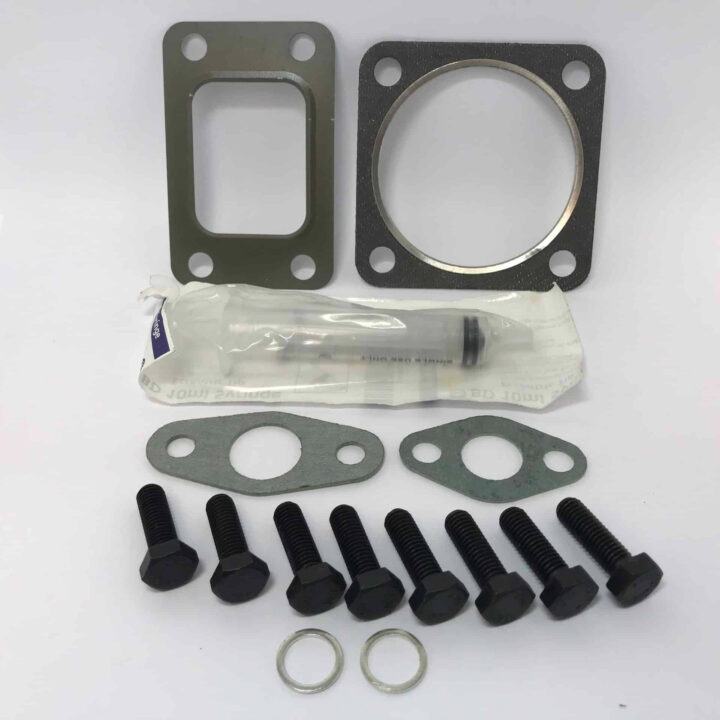
At the same time we suggest changing the engine oil. It is important to use quality oil, like Shell Rotella™, and to change the lube oil regularly. If the engine oil and filters are not changed regularly the lubrication qualities of the oil will break down. If the turbo is not allowed to “warm-down” properly prior to shutting off the engine, the lube oil in the turbo will breakdown and “coke” leaving carbonized deposits throughout the turbo. This can lead to turbocharger bearing failures and other engine issues requiring costly repairs.
Along with the engine lubrication system, the intake and exhaust systems also play an important role in turbocharger efficiency. If these systems are not maintained in peak operating order, they can lead to decreased turbocharger life. 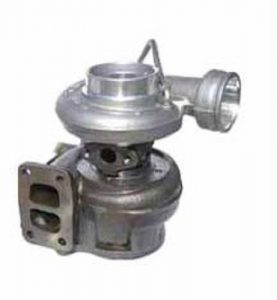 A clogged air filter, as well as leaks in the intake or exhaust system, reduces air flow that can result in excess smoke, increased oil consumption, low power and noisy turbocharger operation. We strongly recommend you install a pre-cleaner whenever possible. Both Turbo II™ and Centri™ make good pre-cleaners. These can be even more important for applications like screening plants, concrete saws and other applications working in dustier environments which can more quickly degrade a turbo, so we strongly encourage installing a pre-cleaner ahead of the air cleaner.
As engines became more efficient, one of the evolutions was to add a “charge air cooler” which is another important component to maintain that works in tandem with the turbocharger. A turbo charger takes the exhaust air to spin a turbine that compresses the intake air which increases the density of oxygen entering the combustion chamber which makes combustion more efficient and creates more power. However, when air is compressed it heats up and hotter air is less dense and holds less oxygen partially offsetting the benefit of the turbocharge. Along comes the charge air cooler (aka: after cooler or intercooler), which operates like a radiator dissipating the heat from the compressed air before it enters the combustion chamber so the oxygen density is higher, combustion more efficient and emissions are improved along with engine power. Not cleaning your charge air cooler regularly can not only reduce air flow and the benefits of the charge-air-cooler but in extreme cases can actually increase intake air temperature causing damage to the cylinders and pistons and the added resistance on the turbo and temperatures should be avoided by proper maintenance.
For more information on how to properly install and maintain your new or remanufactured turbocharger check out Tech Tip #190: Turbocharger Installation Instructions on our website.